Reframe AgingMinnesota
Join a community of statewide leaders learning and practicing how to communicate better about aging!
As we age, each of us is redefining the norms of what it means to live fully in our communities. Yet all too often, the way we think and talk about aging remains stuck in outdated narratives and ageist messages. This keeps obsolete policies, practices, and programs in place.
The research-based principles we use in Reframe Aging Minnesota are an antidote to this toxic thinking!
Grounded by research from the National Center to Reframe Aging, we know that when we expand an accurate understanding about aging, attitudes and value for aging can increase. This change starts with us.
Together, we must lead a transformation in thinking starting with the language that we use!
Reframe Aging Minnesota is
co-led by the Center for Healthy Aging and Innovation at the University of Minnesota and the MN Leadership Council on Aging, guided by a dedicated Steering Committee.
Free Framer Fridays!
We are pleased to invite you to four upcoming opportunities in this series of free, virtual, one-hour conversations:
SEPTEMBER 4, 2026
10 a.m. - 11 a.m.
Ageism and Ableism
In this session, we will explore the intersection between two pervasive forms of bias that often reinforce each other. Drawing on emerging research and expert frameworks, we’ll explore how structural assumptions about aging and ability interact, influence attitudes, affect policy, practice and everyday interactions.
Learning Objectives
- Understand the overlapping yet distinct phenomena that influence attitudes towards aging and disability in society.
- Identify at least two examples of how ageism and ableism intersect in everyday language, environments or policy outcomes (e.g. healthcare, employment, public messaging)
- Reflect on assumptions or practices that may inadvertently uphold these biases and develop concrete actions that you can take to promote inclusivity for all ages and abilities.
Co-hosts: Melissa Lyon and Lori Kangas Olson
DECEMBER, 2026
Details to be announced
Reframing Advocacy
In this session, we will explore what research has to say about messaging and data effectively on aging advocacy topics, and introduce evidence-based reframing strategies to elevate advocacy messages in advance of the 2027 Legislative Session.
Learning Objectives
- Identify principles for how to shape advocacy messaging on aging that build engagement, connect with lawmakers, and transform your effectiveness.
- Understand how to use data strategically and put facts in context to highlight collective interest and solutions vs. isolated individual problems.
- Practice drafting or reshaping advocacy messages around shared benefits in ways that leverage compelling data effectively.
Co-hosts: Georgia Lane and Adam Suomala
Who Attends?
We welcome all Minnesotans who regularly communicate about aging, with a focus on leaders across the aging sector, including age-friendly communities, government, philanthropy, and our nonprofit partners.
Our Purpose
We generate momentum for the Reframe Aging principles to accurately transform narratives on the experience of aging in Minnesota.
What to Expect

This is an engaging, informal, peer-to-peer learning experience. We use the ECHO model of "all teach, all learn" to create a space where we can each share information about the Reframe Aging principles and work through practical case scenarios.
AGENDA
10:00 Welcome and Updates
10:05 Brief Presentation and Case Study
10:25 Breakout Discussions
10:45 Large Group Review
10:55 Closing Questions and Next Session Preview
11:00 Adjourn
Our Approach
Our sessions are grounded in Project ECHO principles of amplifying scarce resources via technology and mastering complexity through case-based learning. Our interactive sessions include guided practice, peer-to-peer learning, case studies, and collaborative problem-solving. This inclusive, nonhierarchical philosophy is the heart of our approach.
By participating, you expand your own thinking as well as help build the capacity of fellow Minnesota Framers around the state. We collectively understand this is a learning experience and seek to create a space that explores a diverity of experiences and perspectives.
Group Norms
We commit to the following norms:
Sharing Content
- We will record only the brief presentations made by our speakers with their permission; small and large group dialogue will not be shared.
Respecting Time
- We will start and end sessions on time, even if the discussion feels incomplete.
Stay Engaged
- We will all try to stay present and involved throughout the discussion.
Lean Into Discomfort
- We will accept that discomfort is going to happen and will be open to it, acknowledge it, and lean into it.
Speaking Our Truth
- We will commit to being open and honest, speaking our truth from our own positions, using “I” statements.
Step Up + Step Back
- We will step into the space to share ideas, encourage others to do the same, and resist the urge to interrupt.
Expect and Accept Non-Closure
- We will hang out in uncertainty, recognizing the goal isn’t to finish the conversation by the end of our time together, but to make progress.
Our Strategy
Minnesotans are problem-solvers. When we see an opportunity, we figure out how to seize it, and when we see something that isn't working, we rethink our approach. This statewide initiative is providing accessible tools and strategies that each of us can use in developing acurate and productive messages about aging. Working together, we are advancing three core strategies.
Shared Learning
Trusted Supports
We need your help!
Communication experts know that repetition matters, and only by working together as a coordinated sector can we achieve consistent repetition of tested strategies and narratives to reframe aging and shift the dialogue among opinion leaders.
Is this for you?
Yes! Our work is open to all, at no charge. We focus on leaders across the aging sector as well as communication experts and professionals who regularly talk or write about aging across healthcare, public health, government, the media, or social services.
Reframe Aging Minnesota Steering Committee
Georgia Lane
Director of Aging Initiatives
Ecolibrium3
Andy Brown
Vice President of
Communications and Engagement
Metropolitan Area Agency on Aging
Lori Kangas-Olsen
Aging & Community
Development Lead
Arrowhead Area Agency on Aging
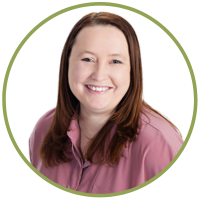
Melissa Lyon
Community Development Specialist
Central Minnesota Council on Aging
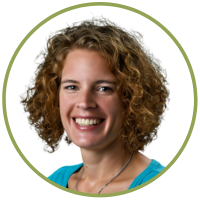
Meghan Redmond
Associate State Director - Community Engagement
AARP Minnesota
Coordinators
Reframe Aging Minnesota is brought to you by
The Center for Healthy Aging and Innovation at the University of Minnesota and the
MN Leadership Council on Aging. Contact us today to learn more:
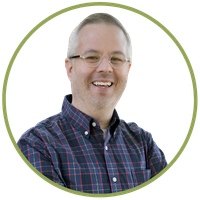
Faculty Director, LTC Administration and
Associate Director of Policy,
Center for Healthy Aging
and Innovation
University of Minnesota
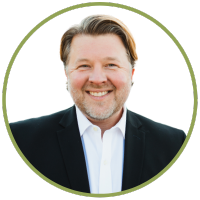
Executive Director
MN Leadership Council on Aging
Co-Convener
Finish Strong Funders Network